
Choosing a Polo Shirt Worthy of Your Logo
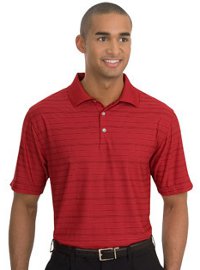
Choosing a Polo Shirt Worthy of Your Logo
by Nina Vultaggio


  November 21, 2011
Polo shirt, tennis shirt, sport shirt, or golf shirt - whatever you call it, the short-sleeved knitted collared shirt has become an American classic. The polo shirt is worn on golf courses, in board rooms, and on lazy Saturday afternoons, and because of its casual versatility, it’s a popular piece of promotional apparel. Here’s the skinny on the basic features that distinguish one polo from another.
Fabric Texture
-
Jersey is the same kind of fabric that t-shirts are made of. A jersey polo is very casual compared to other sport shirts, and is generally the least expensive option.
-
Interlock is similar to jersey, but the front and back of the fabric are identical because it is “double-knit.” It is also heavier and thicker than jersey.
-
Pique has a more distinctive texture than jersey or interlock, though you have to look very closely to notice the waffle-like ridges and pockets.
-
Jacquard has a subtle pattern knitted into the fabric, giving a luxurious look and feel.
-
Mesh fabric is constructed with space between the fibers, allowing more air to pass through and making the fabric highly “breathable.”

Fabric Content
Like t-shirts, most polo shirts are 100% cotton or a cotton/poly blend. Polo shirts are more likely to use premium cottons, however. One example is Pima cotton from Peru, which has an extra-long fiber for added softness and strength. Some polo shirts are 100% polyester, and some are made from exotic or unusual materials like bamboo. And of course, there are eco-friendly options like organic cotton and recycled polyester.
Color
Most polo shirts are a solid color from collar to hem. In a color-block sport shirt, panels of different colors combine into one garment. These can be variations of the same color, like shades of grey or blue, or they can have vibrant contrast. This is especially popular in athletic settings, where a color-block polo might incorporate a university’s colors. Another common color variation is tipping, which is essentially a thin border at the edge of the collar and sleeves. Finally, piping is a stripe of a contrasting color at the garment’s seams. 
Performance Features
-
Moisture-wicking fabrics are designed to draw sweat away from the body and toward the surface of the shirt, where it can evaporate more easily. This feature is highly sought after in warm climates and in athletic settings.
-
Anti-microbial fabrics have been treated to stop the growth of the bacteria that cause body odor. Anyone who expects to work up a sweat will appreciate this feature.
-
Snag resistant fabrics are very smooth and strong, and are ideal for heavy-duty working environments where the shirt will really go through the ringer.
-
Stain resistant fabrics have been treated with a solution like Scotchguard or Teflon, and will stay clean and new-looking for longer. They’re perfect for the food service industry.
Brand
Private label polo shirts are designed and produced for the promotional apparel and uniform industry. You won’t recognize their names from retail stores or sports sponsorships, but their quality can be excellent. Major brands like adidas, Champion, Hanes, Izod, and Nike have retail recognition and may have a higher perceived value for the prestige factor. On the other hand, a brand-name polo shirt may carry the manufacturer’s mark, like the Nike swoosh or adidas stripes, somewhere on the shirt. You have to decide if you’re comfortable displaying their logo in addition to your own.